Uma Franke · 11 September 2026
Beneath the Bark: Fungal Allies Combating Oak Diseases in Restoration Zones
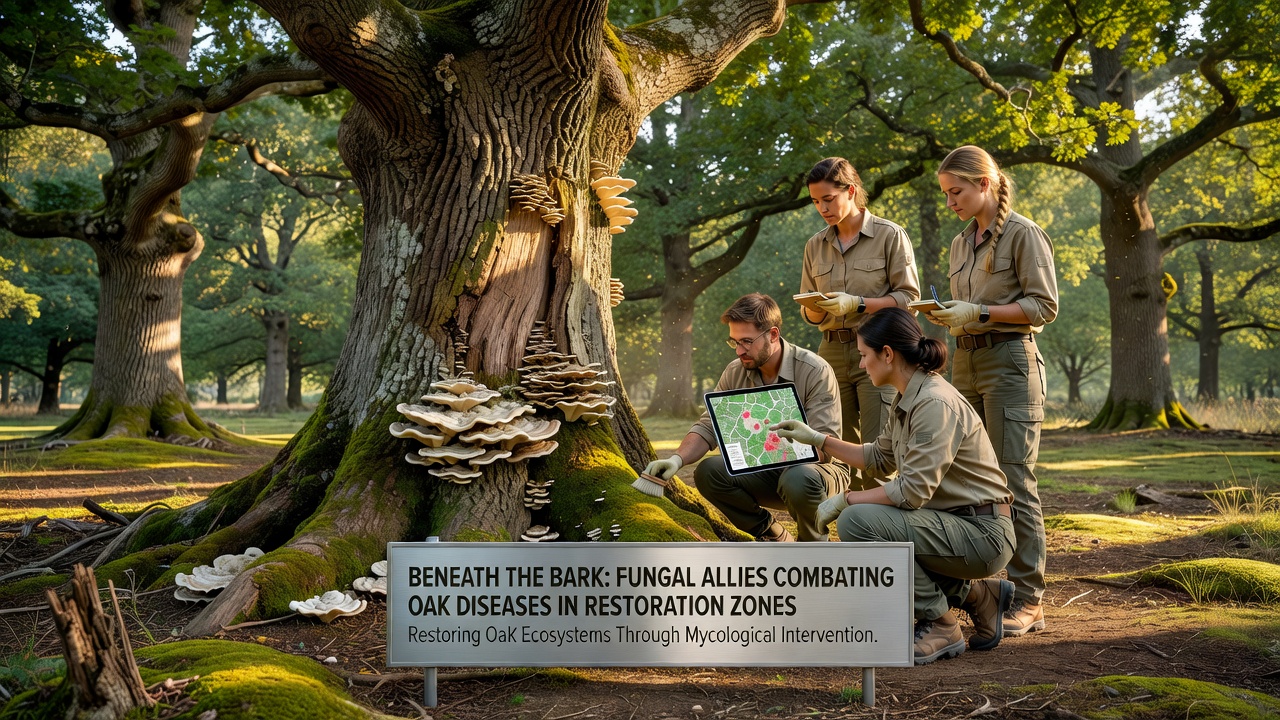
Restoration zones across North America have turned to fungal partnerships as a core strategy for protecting oak populations from persistent pathogens, and researchers have documented how certain species form protective alliances beneath the bark. These interactions involve endophytic fungi that colonize living tissues without causing harm while they produce compounds that inhibit disease progression in species such as Quercus alba and Quercus rubra. Data from field trials show reduced incidence of oak wilt when these microbes establish early in the growth cycle, and the mechanisms include both direct antagonism and systemic resistance induction in host trees.
Mechanisms Behind Fungal Protection
Experts have observed that mycorrhizal fungi extend root systems and improve nutrient absorption, yet the same networks also trigger defensive gene expression that limits the spread of vascular pathogens like Bretziella fagacearum. In one long-term study conducted by the USDA Forest Service, oaks inoculated with specific Trichoderma strains exhibited slower lesion development after exposure to infected material, and the effect persisted across multiple growing seasons. Meanwhile endophytes belonging to the genera Epicoccum and Aureobasidium have demonstrated production of volatile organic compounds that suppress fungal competitors in laboratory assays, and field applications in Midwest restoration sites have confirmed similar activity under natural conditions.
September 2026 marked the release of updated monitoring reports from several state agencies that tracked survival rates in treated versus untreated plots, and the figures revealed a consistent advantage for stands where fungal inoculants were introduced during the initial planting phase. Observers note that soil pH and moisture levels influence colonization success, while temperature fluctuations during spring months can either accelerate or delay the establishment of these beneficial communities.
Application in Active Restoration Projects
Practitioners have integrated fungal treatments into site preparation protocols by mixing spore suspensions with planting media or applying them directly to root collars before outplanting. This approach has gained traction in regions recovering from previous disturbance events because it addresses both immediate disease pressure and long-term tree vigor without requiring repeated chemical interventions. Restoration crews working along the Appalachian corridor reported higher establishment rates when they combined native ectomycorrhizal species with standard nursery stock, and similar patterns emerged in Pacific Northwest test plots where sudden oak death caused by Phytophthora ramorum remains a concern.
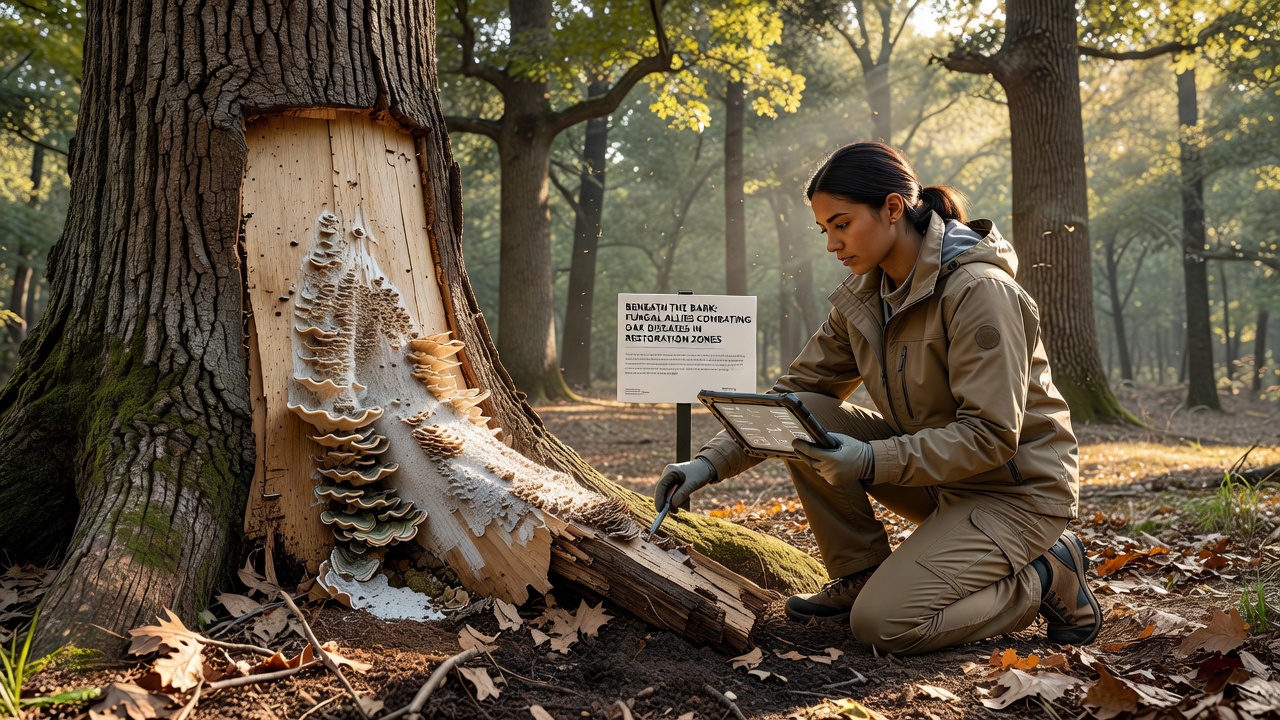
What's interesting is that some restoration programs now sequence soil samples prior to treatment so they can select fungal consortia already adapted to local conditions, and this targeted matching reduces the risk of introducing non-native strains that might compete with existing microbial communities. Canadian researchers at the University of British Columbia have contributed comparative data showing that mixed inocula containing both arbuscular and ectomycorrhizal fungi outperform single-species applications in variable soil types, and their findings have informed protocols used by several U.S. agencies.
Monitoring and Long-Term Outcomes
Long-term monitoring stations established in the Great Lakes region have collected annual health metrics since the early 2010s, and the records indicate that plots receiving fungal amendments maintain lower disease incidence even as surrounding untreated areas experience periodic outbreaks. Those who've studied these systems note that fungal diversity within the bark and cambium layers correlates strongly with overall stand resilience, while reduced diversity often precedes visible symptoms of decline. Remote sensing combined with ground-truth sampling has allowed crews to identify early stress signatures that prompt supplemental inoculations before visible cankers form.
Industry reports from forestry cooperatives highlight cost savings associated with preventive fungal applications compared with post-infection removal and sanitation procedures, and the savings become more pronounced when restoration zones cover large contiguous areas. Yet challenges remain around scaling production of consistent, high-viability inoculants and ensuring cold-chain logistics during transport to remote sites.
Conclusion
Research continues to refine strain selection and delivery methods for fungal allies in oak restoration, and ongoing trials scheduled through 2027 aim to quantify the durability of protection under changing climate conditions. The accumulated evidence demonstrates that strategic use of these microorganisms can support healthier oak populations across diverse restoration landscapes while reducing reliance on other management tools.