Jakob Keller · 20 November 2026
Oak Pathways Through Time: Linking Climate Shifts in North American Forests to Volunteer-Led Disease Monitoring and Regional Lumber Economies
Historical Climate Patterns and Oak Distribution
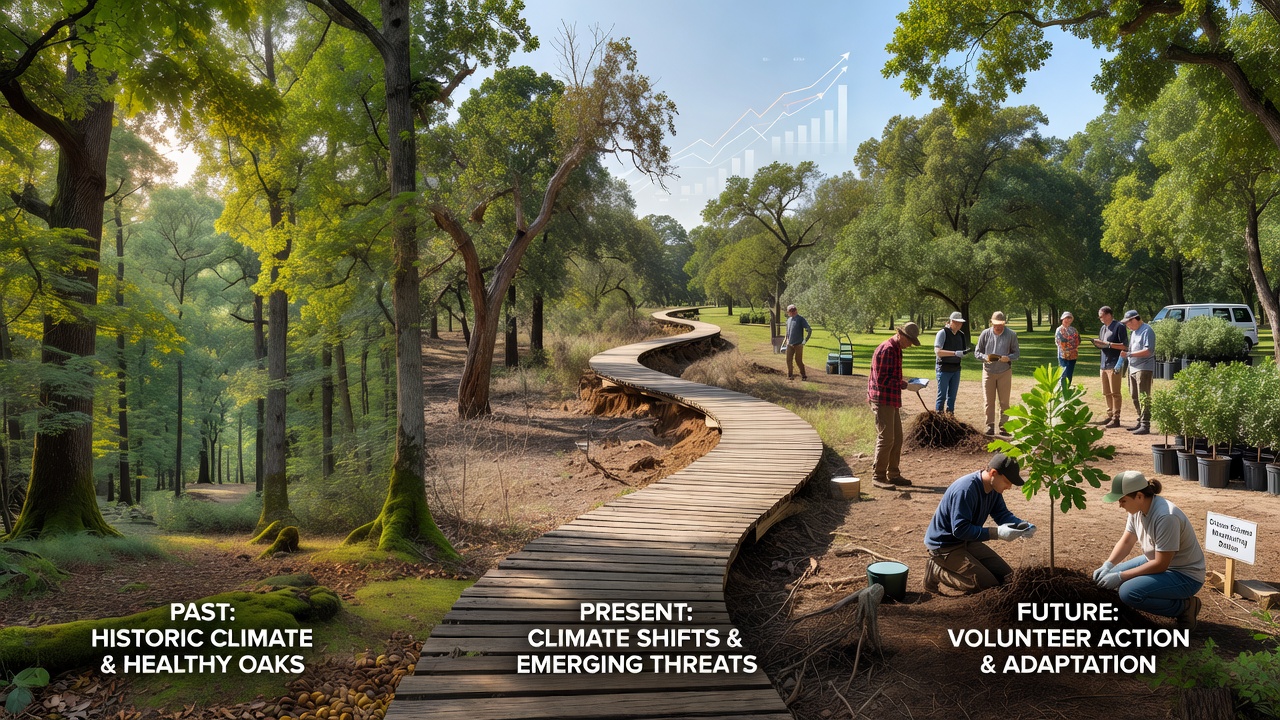
Climate shifts across North American forests have reshaped oak habitats over centuries, and researchers track these changes through pollen records, tree ring data, and historical surveys that connect past temperature variations to current forest compositions. Data from multiple regions show oak species migrating northward during warmer periods while retreating from southern zones during cooler intervals, and these movements influence both forest structure and the availability of timber resources in areas like the Great Lakes basin and the Appalachian range.
Observers note that temperature increases since the mid-20th century correlate with altered precipitation patterns, which affect oak regeneration rates in states from Minnesota to Georgia, and similar trends appear in Canadian provinces where oak stands border mixed hardwood zones. Studies from government agencies document how extended growing seasons combined with periodic droughts alter seedling survival, creating ripple effects that reach lumber markets dependent on consistent oak harvests.
Volunteer Monitoring Networks and Disease Tracking
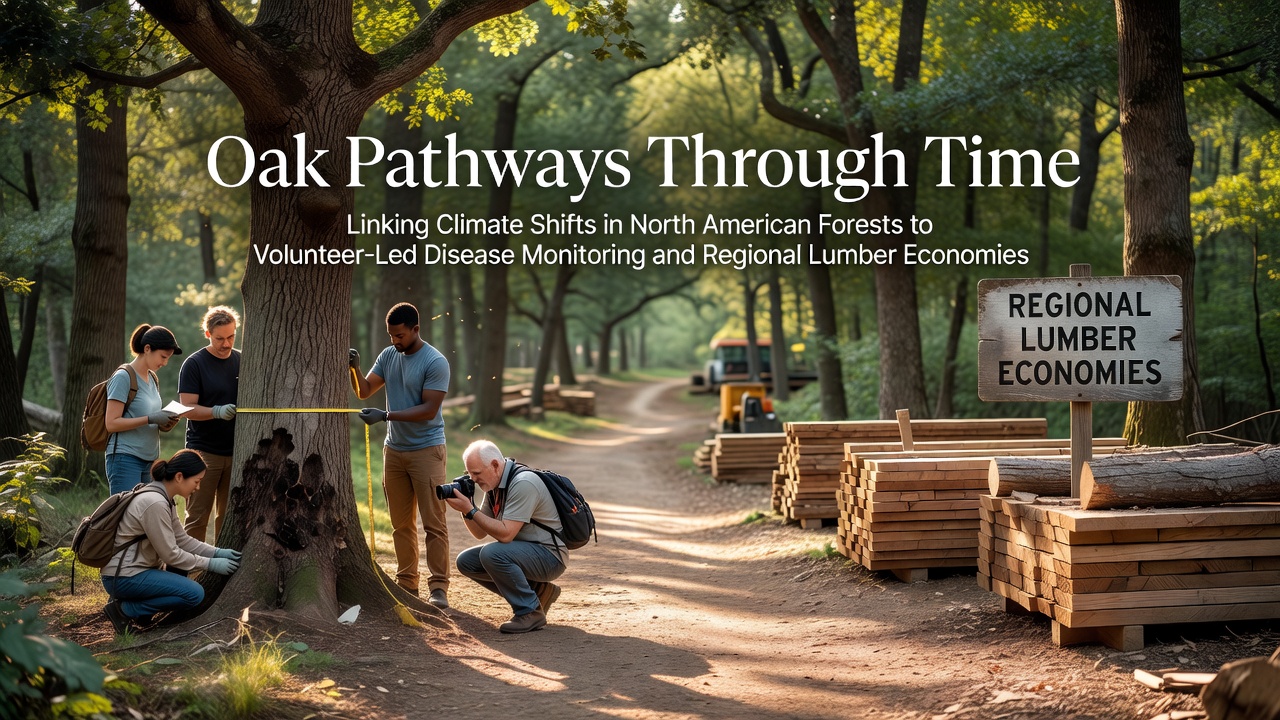
Volunteer-led programs now form a key layer in disease surveillance for oak populations, and groups across the Midwest and Pacific states collect field observations on symptoms such as leaf discoloration and crown dieback that signal emerging threats. These efforts feed into centralized databases managed by forestry departments, where aggregated reports help identify outbreak clusters earlier than traditional agency surveys alone would allow.
One project in the Ohio River valley trains participants to map oak health indicators on public lands, and the resulting datasets reveal correlations between warmer winters and the spread of certain pathogens that once remained dormant under colder conditions. Data indicates that such community contributions have expanded coverage to thousands of acres, providing granular information that supports targeted management responses while linking directly to economic planning in nearby milling communities.
Regional Lumber Economies and Supply Chain Connections
Lumber economies in oak-dependent regions respond to both climate-driven forest changes and monitoring data, and mills in states such as Pennsylvania and Wisconsin adjust procurement strategies when volunteer reports flag declining stand health in specific watersheds. Production figures from industry reports show that consistent oak supply supports furniture, flooring, and construction sectors, yet shifts in forest composition prompt processors to diversify sourcing or invest in longer-term reforestation partnerships.
Analysts at Natural Resources Canada track parallel dynamics in eastern provinces, where oak volumes contribute to export markets, and cross-border data exchanges allow American and Canadian operations to coordinate responses to shared climate pressures. The reality is that volunteer monitoring outputs increasingly inform harvest scheduling, reducing unplanned disruptions that previously affected regional sawmills and downstream manufacturers.
Developments Through Late 2026
By November 2026, expanded volunteer networks in the southern Great Plains and Pacific Northwest continue integrating real-time climate sensors with disease observation protocols, and preliminary summaries from these initiatives show accelerated mapping of oak stress zones tied to recent drought cycles. Federal and provincial agencies release updated forest inventory layers that incorporate these citizen-science inputs, enabling lumber operations to refine volume forecasts for the following harvest season.
Regional economic assessments released during this period highlight how monitoring coverage in fragmented oak woodlands supports more stable timber flows, and partnerships between university extension services and local wood products associations facilitate training that strengthens both ecological and economic resilience across supply networks.
Conclusion
Connections between historical climate records, ongoing volunteer disease surveillance, and lumber market dynamics continue to evolve across North American oak forests, and integrated data systems now link these elements more directly than in prior decades. Government agencies and community groups maintain these pathways through shared databases and coordinated fieldwork, producing information that guides both forest management and regional economic planning into subsequent years.