David Meier · 23 October 2026
Oak Timber Routes: How Disease Research and Supply Networks Shape Restoration Efforts in Protected Woodlands
Protected woodlands rely on carefully mapped timber routes that connect disease monitoring stations to restoration sites, and researchers track how pathogens move along these paths while supply networks adjust delivery schedules to prevent further spread. Studies from multiple regions show that sudden oak death caused by Phytophthora ramorum has altered route planning in several western forests since early surveillance programs began, forcing logistics teams to reroute shipments away from infected zones and toward certified clean nurseries.
Disease Research Guides Route Adjustments
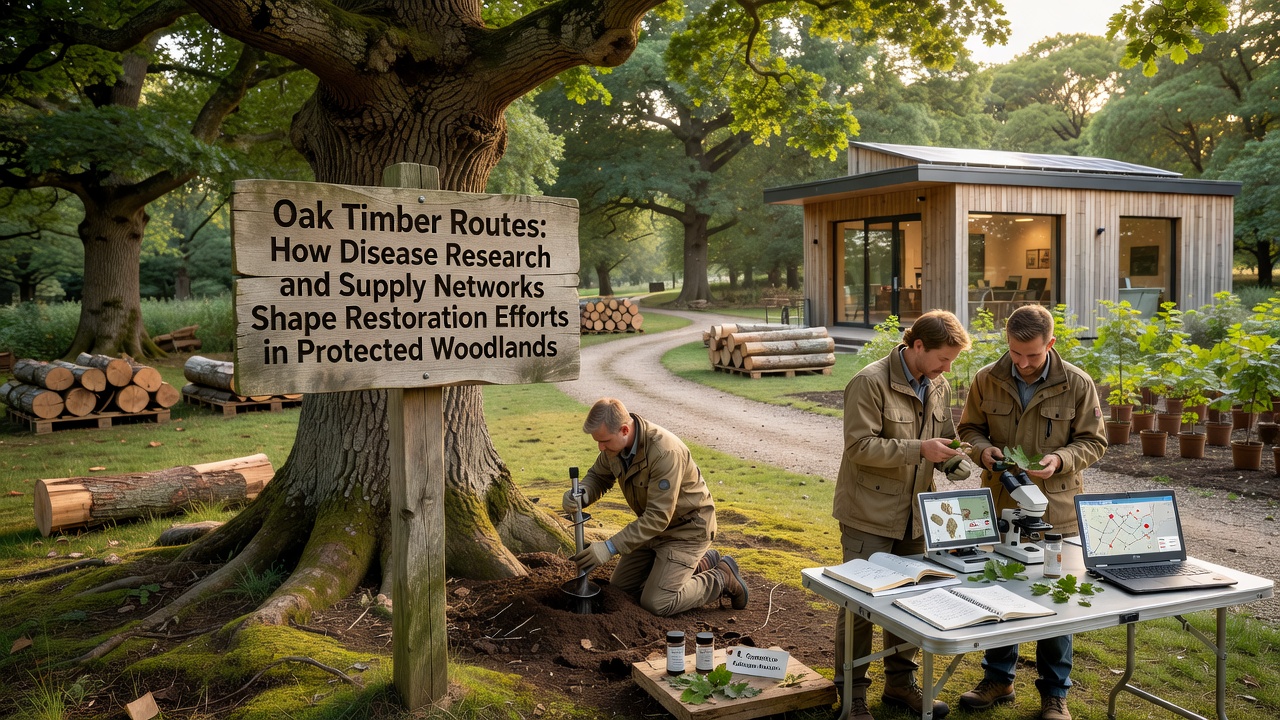
Research teams collect soil and tissue samples along established timber corridors, then feed the results into models that predict infection risks for future hauls. Data collected through 2025 indicates that routes passing near watercourses carry higher transmission probabilities, so planners now favor elevated paths with gravel bases that reduce soil disturbance. Observers note that these adjustments have extended some delivery times by several days, yet they have lowered new infection rates in adjacent stands according to follow-up surveys.
In October 2026 a joint report from North American and European forestry agencies highlighted how genomic sequencing of oak pathogens has refined route selection criteria, allowing operators to bypass micro-zones where resistant strains cluster. Supply coordinators use this information to prioritize shipments of disease-free saplings from inland nurseries that maintain strict quarantine protocols.
Supply Networks Coordinate with Restoration Goals
Timber supply chains link historical milling districts to current protected areas through contracts that require real-time disease testing before loads depart. One network operating across mixed hardwood regions requires every truck to carry documentation showing origin points cleared by certified pathologists, and this system has expanded to include satellite-tracked temperature controls that keep wood dry during transit.
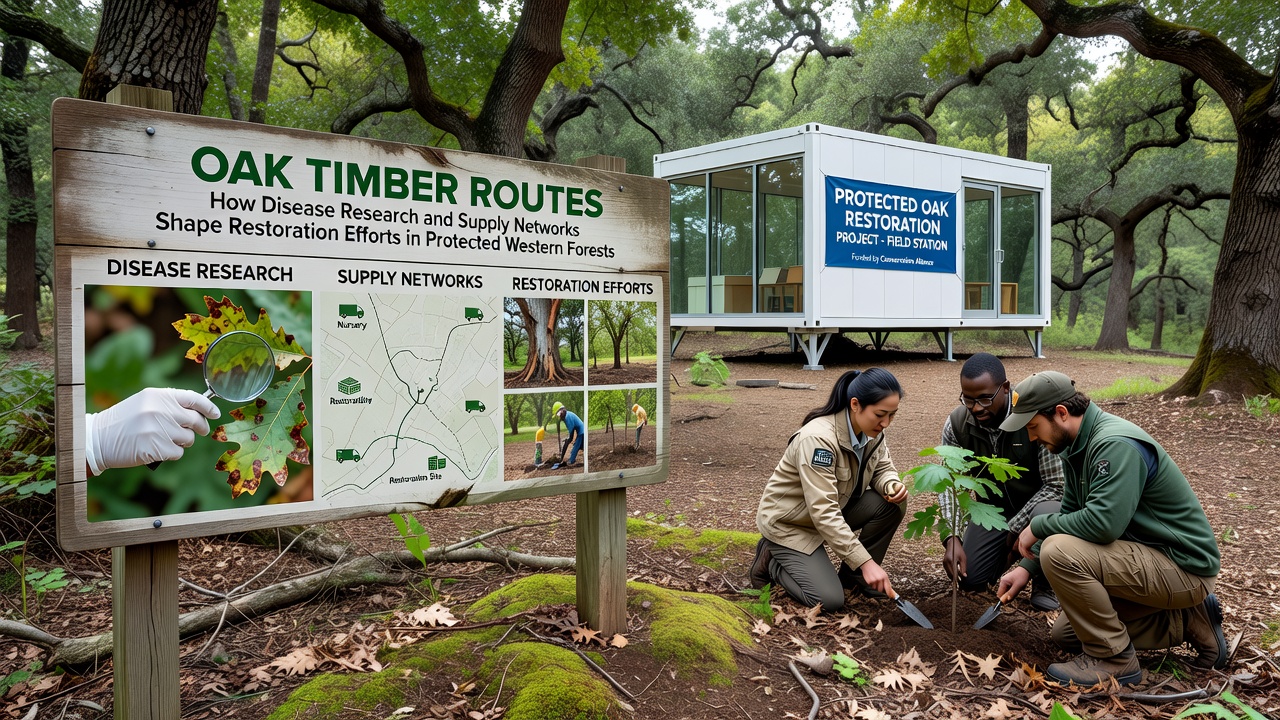
Logistics firms collaborate with woodland managers to schedule deliveries during low-risk weather windows, and data from Canadian forest services shows that autumn shipments reduce fungal spore viability compared with summer movements. These coordinated efforts feed directly into restoration plantings where new oaks must establish without introducing additional pathogens from external sources.
Protected Woodlands Implement Route Protocols
Management plans for designated reserves now incorporate buffer zones around primary timber routes, and these zones receive extra monitoring through aerial surveys conducted every quarter. Evidence from long-term plots reveals that maintaining clear separation between transport corridors and core habitat areas has preserved older oak cohorts while still permitting material movement for thinning operations that improve stand health.
European programs have tested similar approaches, with one initiative in mixed deciduous forests using RFID tags on transported logs to trace any disease back to specific route segments. The tags allow rapid identification of problem areas so that alternative paths can be activated without halting overall restoration timelines.
Integration of Research Findings into Daily Operations
Forestry crews receive updated maps each season that overlay disease incidence layers onto existing road networks, and crews adjust equipment cleaning stations accordingly to avoid carrying contaminated soil. Research published through university extension services demonstrates that consistent vehicle washing at route entry points cuts secondary spread by measurable margins when paired with route avoidance strategies.
Supply contracts increasingly include clauses that tie payment schedules to verified compliance with these research-backed protocols, creating incentives for haulers to adopt the latest recommendations without disrupting material flow to planting sites.
Conclusion
Timber routes continue to evolve as disease research supplies new data layers and supply networks refine their practices to support restoration inside protected woodlands. Coordinated monitoring and adaptive routing keep materials moving while limiting pathogen movement, and the systems developed through 2026 build on earlier findings to maintain both ecological integrity and operational efficiency across connected regions.